Balat, Istanbul — The City of Colours
A rainy afternoon in Istanbul's most unplanned neighbourhood.
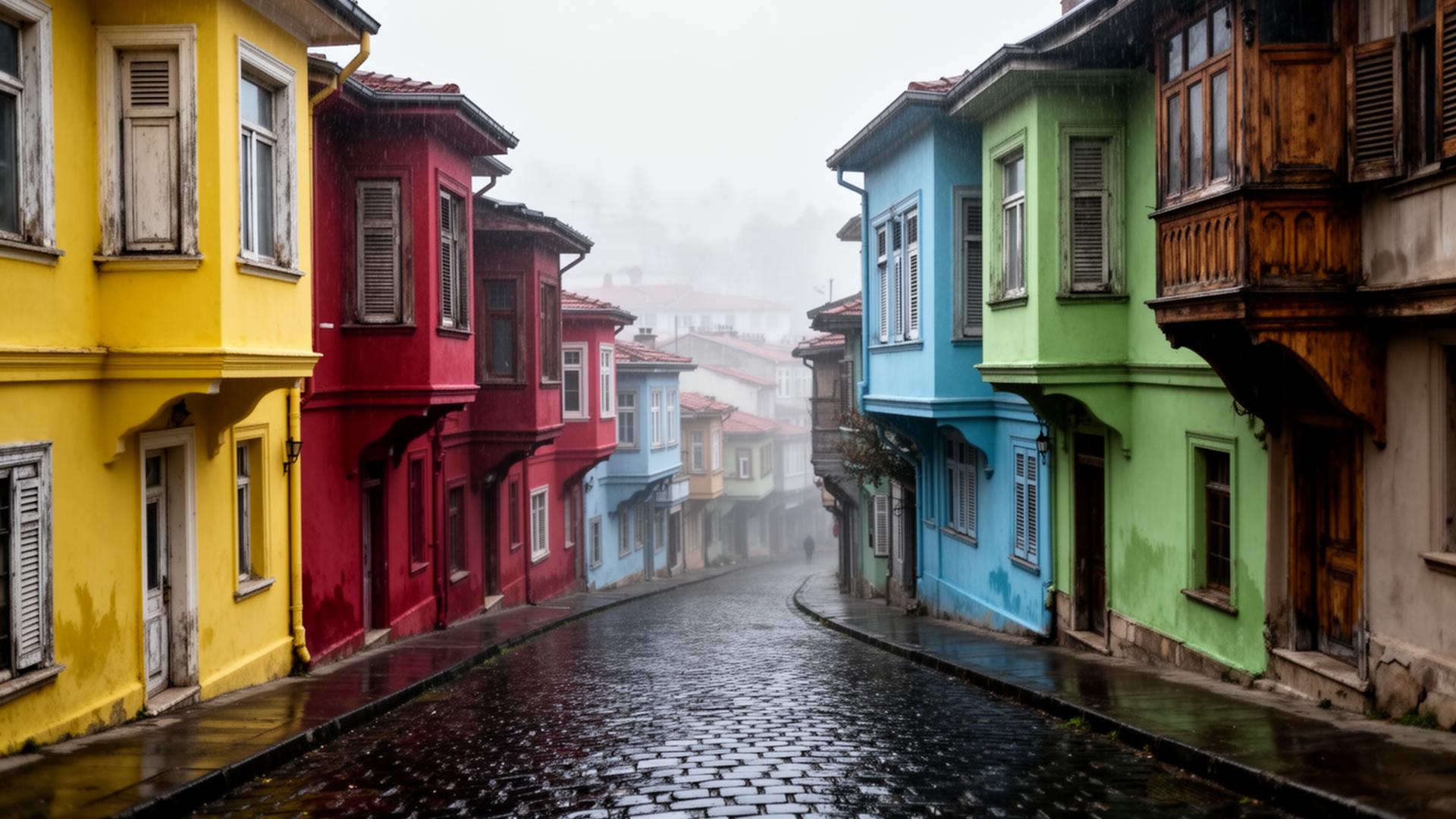
I hadn't planned to spend the day in Balat. Istanbul had other intentions, as Istanbul often does. The rain started somewhere near the Golden Horn, and by the time the tram let me out, it had committed — the steady, patient sort that doesn't apologise and doesn't stop.
I ducked into the first street that looked interesting, and that was the end of the plan.
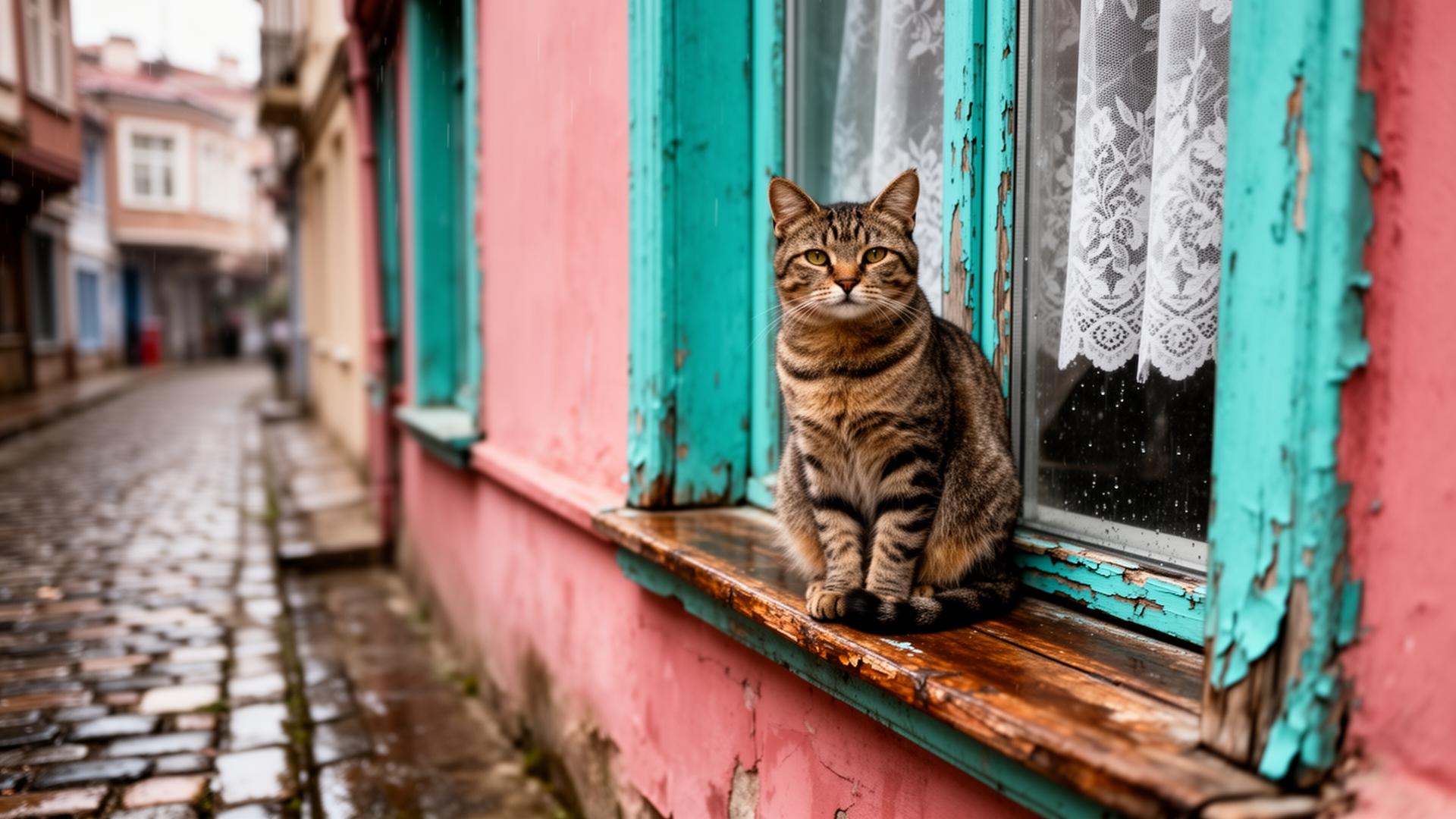
Balat doesn't announce itself. You turn a corner expecting another Istanbul alley and instead there is a whole street painted the colours of a fruit stall — lemon, pomegranate, pistachio, fig — the houses leaning into each other like old friends sharing an umbrella. Wooden balconies warped from a century of winters. Shutters that have clearly given up on staying shut. A cat, of course, watching all of this from a windowsill with the expression of someone who has seen better visitors.
The rain made everything better. I know that sounds wrong. But the cobblestones turned dark and gleaming, the paint on the walls deepened to something almost edible, and the smell — wet stone, wood smoke from somewhere, coffee from somewhere closer — was the kind of smell you wish you could fold up and put in a pocket.
This neighbourhood has been many things. The Sephardic Jews expelled from Spain in 1492 came here and built their lives along these hills; their synagogues still stand, some in quiet use, some sleeping. Greeks have prayed in these streets for longer than most cities have existed. Armenians. Ottomans. Byzantines before all of them. You walk past a church, a mosque, a synagogue in the space of ten minutes, and none of them look surprised to see the others. History in Balat isn't something behind glass. It's the uneven step you just tripped over.
I got lost, which is the only honest way to see the place. The streets refuse to run straight. They climb, double back, narrow into staircases, widen into small squares with one tree and three cats. Every time I thought I recognised a corner, it turned out to be a different corner with a different colour of door.
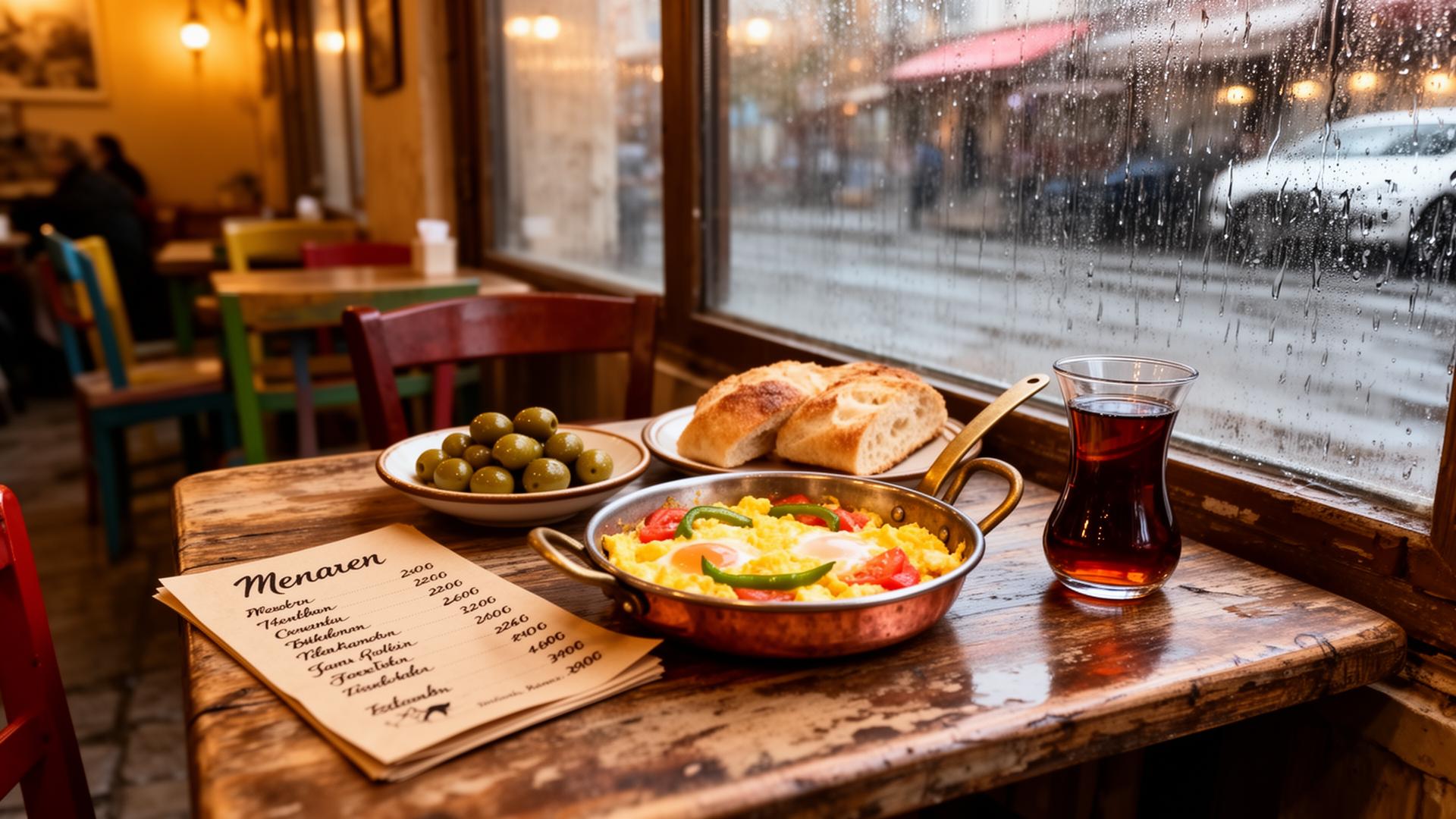
Somewhere in the middle of this, I gave up and went into a café — a narrow place with mismatched chairs and a window fogged from the inside. The menu was handwritten. I pointed at something, and it turned out to be menemen, that soft Turkish breakfast of eggs and tomatoes and green peppers cooked until they forget where one ends and the other begins. With it came bread still warm, olives, a small glass of tea. The rain kept going outside. I was in no hurry to be anywhere.
A cat came and sat on the chair opposite mine. It did not ask. Cats in Istanbul don't ask — they assess you, decide you'll do, and settle in. This one had the dignified shabbiness of a retired professor. We shared the hour.
When I left, the rain had thinned to a mist, and the light had gone that particular Istanbul silver — not bright, not dim, just suspended. I walked up towards the Fener hill, past antique shops with their doors propped open, past a woman watering geraniums on a third-floor balcony, past a boy running with a plastic bag of bread taller than he was. The Phanar — the seat of the Greek Orthodox Patriarchate — sat at the top of the slope like it had always been there, because it had.
I don't know what to call what Balat does to a person. It isn't quite beautiful in the postcard way; too many of the buildings are falling apart, too many of the colours are chipped, too many of the shops are shutting. But maybe that's the thing. It isn't performing. It's just living, and letting you walk through the middle of its life for an afternoon.
Getting lost in Balat, I've come to think, is a kind of being found. With yourself. With time. With a beauty that doesn't need you to understand it.
Letters, occasionally
"Subscribe to receive the next entry when it lands."